Honest answers to common questions
FAQs: Remediation, Inspection, Testing, and Repair
Simple guidance from Mold Remediation Gettysburg PA on the questions we hear most. Learn how pros approach safety, timelines, belongings, and prevention in plain language.
Frequently Asked Questions
How dangerous is household mold?
Many people experience allergy-like symptoms around mold, such as stuffy nose, coughing, or eye irritation. Those with asthma or weakened immune systems may be more sensitive. Musty odors or visible spots mean moisture is present, which lets mold persist. The goal of mold remediation is to remove mold growth and address the moisture that fed it so conditions return to normal. For general health guidance, see the EPA’s mold overview.
What are common signs of a mold problem?
A persistent musty smell, staining or discoloration on walls, ceilings, or trim, and materials that feel damp are common clues. You might also notice bubbling paint, warped baseboards, or frequent condensation on windows. High indoor humidity and previous water leaks raise the chance that hidden areas have growth. Mold inspection and, when appropriate, mold testing can help confirm concerns and guide next steps.
How fast can mold develop after a moisture issue?
Mold can begin to grow within 24–48 hours when building materials stay damp. That’s why fixing leaks, improving drainage, and drying wet areas quickly are so important. Keeping indoor humidity in a comfortable range and maintaining good airflow also reduces the risk of recurring growth. Addressing moisture is essential to every successful mold remediation outcome. Helpful basics: EPA mold cleanup guidance.
What guides professional mold work?
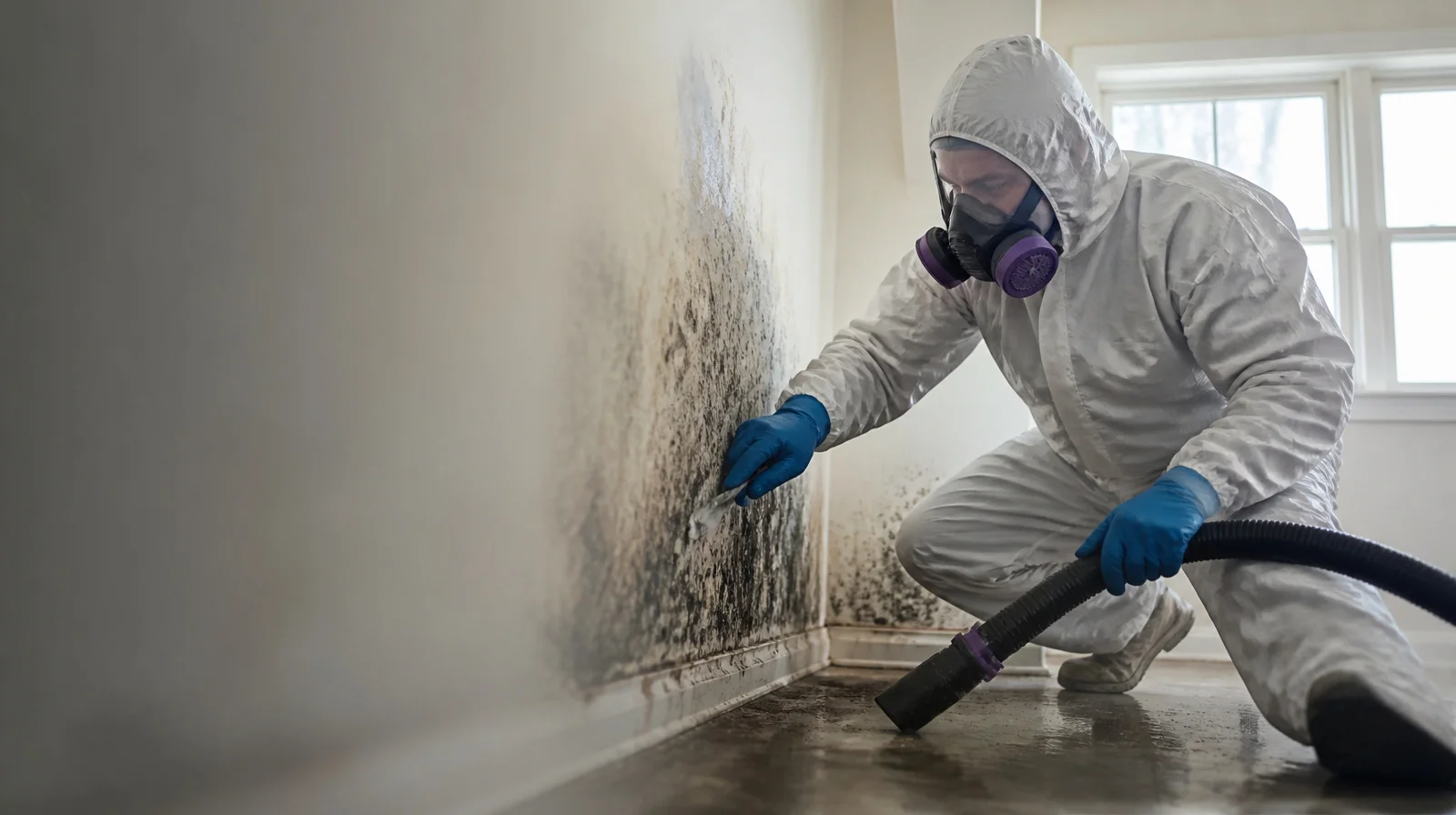
Reputable contractors follow recognized industry practices focused on safety, control of dust and spores, and thorough removal of contaminated materials. Typical measures include isolating work areas, using HEPA filtration, and following documented scopes that match the extent of growth and the building materials involved. Guidance is informed by resources like the EPA and industry standards used throughout the restoration field.
Will my furniture and belongings be protected?
Contractors generally discuss which items should be moved out of the work zone and which can be covered. Expect protective floor coverings, plastic barriers, and careful handling of contents to limit dust. Soft goods that were affected may be cleaned or set aside for specialized cleaning, depending on material and condition. Clear labeling and room-by-room notes help ensure items return to their places after work.
How long do visits usually take?
Timing depends on the size of the affected area, access, and materials. A typical mold inspection often fits within part of a morning or afternoon. Mold remediation can range from a portion of a day for a small, contained area to several days when multiple rooms or materials like drywall and flooring are involved. Your written scope should outline approximate duration and any phases of work.
Do you provide documentation for insurance or landlords?
Yes. Documentation can include the inspection summary, photos, written scope of mold remediation, equipment logs when used, and final notes on areas addressed. If mold testing is performed, lab reports are provided by the testing laboratory. Keeping these records helps with insurance claims, property management, and future maintenance planning.
What are your office hours and where is your office?
Office hours are Monday–Friday, 9 AM–5 PM. The office is located at 1400 Proline Place, #800, Gettysburg, PA 17325. For quick questions during office hours, (717) 420-9474 is available. Messages received outside office hours are returned the next business day.
How much do your services cost?
Pricing depends on the size and scope of the job. You can find approximate costs of these services here.
Contact Us Today for a Free Estimate
Stop mold at the source and protect your home’s air.
Schedule your mold remediation service today.
Free — no obligations