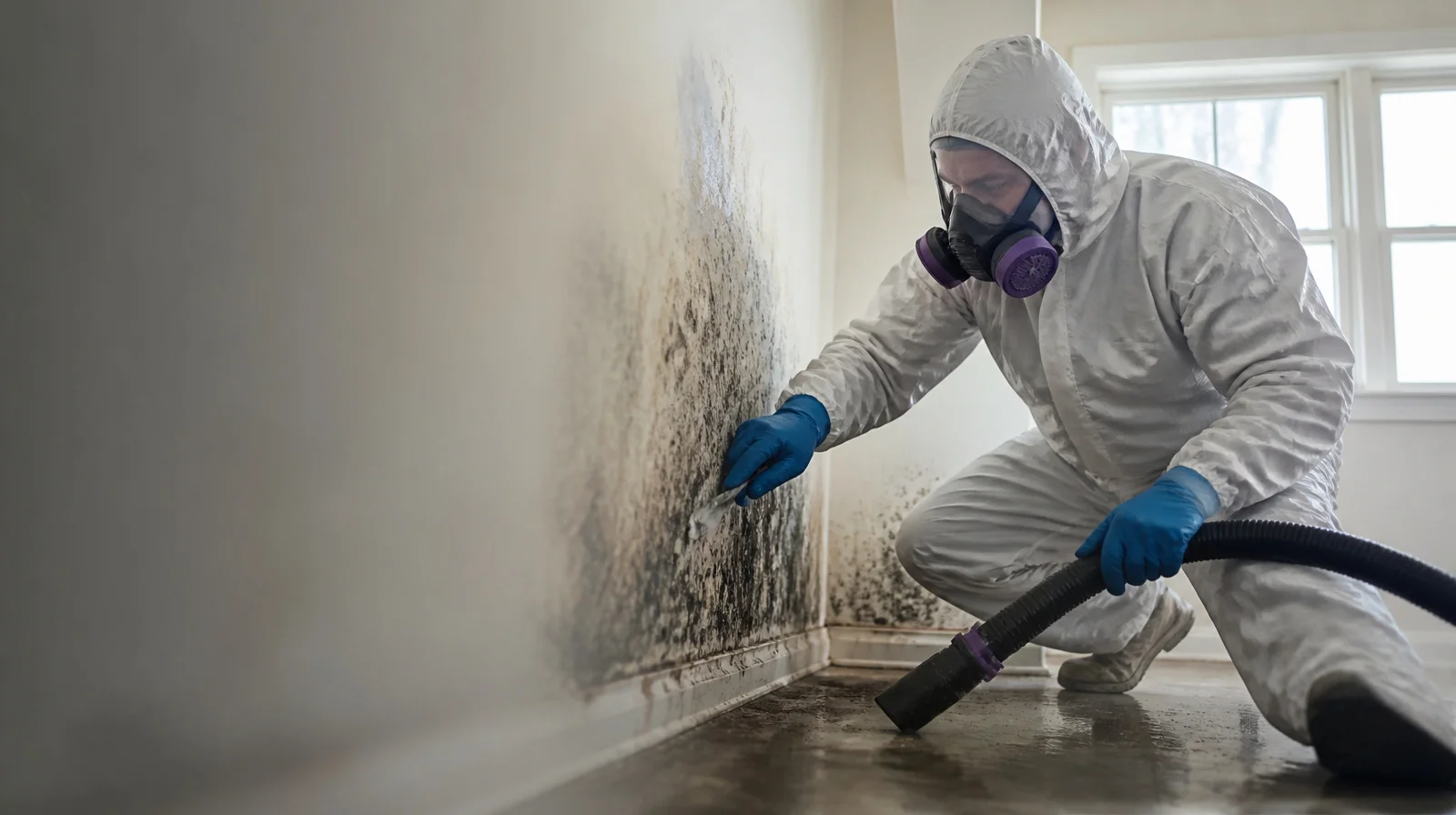
Gettysburg, PA Mold: Remediation, Repair & Testing
Mold Inspection in Gettysburg, PA
Get a clear picture of where mold is present, why it formed, and what to do next. Matched local inspectors focus on moisture sources and practical fixes.
When mold inspection is the right first step
Musty odors, recent leaks, or new spots on drywall can raise quick questions: Is this mold? How widespread is it? Is it safe to stay in the room? Mold inspection is the first step to answer those questions and to map out a plan that makes sense for your home. Local inspectors look for visible growth, hidden moisture, and conditions that let mold thrive, so you know what you’re dealing with before spending on larger work.
Common triggers for scheduling mold inspection include past water damage, humid basements, condensation on windows, and allergy‑like symptoms that seem worse indoors. An inspection identifies where moisture is entering or lingering... roof or plumbing leaks, poor ventilation, or drainage issues - and documents findings with photos and readings. That way, you get clarity on urgency and a prioritized set of recommendations.
A quality mold inspection is more than a quick glance. It’s a systematic visual check paired with moisture measurements and, when helpful, thermal imaging to spot cool, damp areas behind surfaces. The goal is to locate sources, gauge extent, and outline next steps. Guidance from the EPA mold basics aligns with this approach: control moisture to control mold. With a thorough inspection, you can decide whether a small fix will do or if remediation should follow.
What a professional mold inspection includes
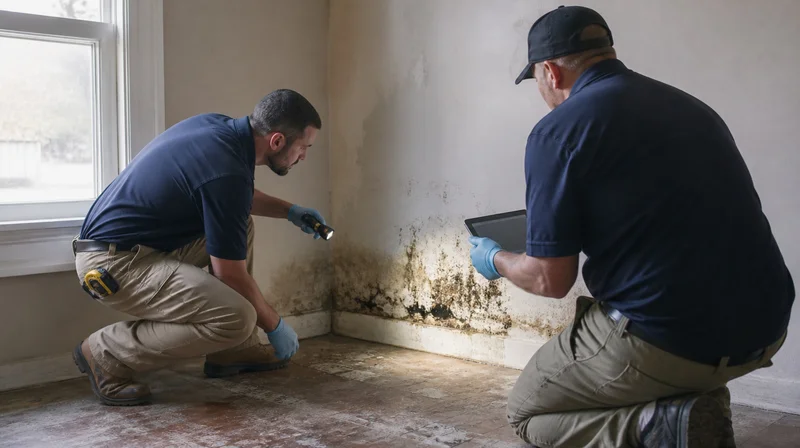
Matched local pros perform a methodical, non‑destructive assessment to understand where mold is present and why conditions allow it. The visit starts with a brief conversation about your concerns, recent leaks, and any rooms where you’ve noticed odors or stains. From there, the inspector works room‑by‑room to look for visible growth, water staining, peeling paint, and other clues that point to moisture problems.
Moisture mapping is a core part of mold inspection. Inspectors use pin and pinless moisture meters on walls, trim, and subfloors to compare dry and damp readings. Hygrometers check indoor humidity, and thermal imaging helps spot temperature differences that can reveal hidden dampness behind drywall or along ceiling cavities. These tools guide attention to the right places without opening surfaces.
Attics, basements, and crawl spaces get special focus because they commonly collect humidity or leaks. In an attic, the inspection reviews roof sheathing, insulation, and ventilation paths to find condensation or roof entry points. In basements and crawl spaces, the inspector looks for damp foundations, standing water, sump performance, and how well air is moving through the space.
Bathrooms, kitchens, and laundry areas are checked for slow plumbing leaks and ventilation performance. The inspector confirms whether fans vent outdoors, evaluates airflow, and looks for moisture tracking along cabinets, floors, and wall penetrations. Around windows and exterior doors, the inspection notes failed caulking, stains, or drafts that can lead to condensation and surface growth.
HVAC components that influence moisture - like air handlers nearby, return grilles, or supply registers... are visually reviewed for dust loading and signs of condensation. While a mold inspection isn’t a full HVAC service, it can flag issues like poorly insulated ducts in unconditioned areas or blocked returns that raise indoor humidity.
Safety and containment awareness are part of the visit. If an area shows obvious heavy growth, inspectors minimize disturbance and avoid unnecessary air movement while documenting the space. The focus remains on observation and measurement; if any limited invasive checks would add value (for example, pulling a register cover or lifting a ceiling tile), the inspector explains options and obtains permission before proceeding.
You receive clear documentation that summarizes findings, moisture readings, and contributing factors, supported by photos. Recommendations typically include moisture control steps, targeted cleanup guidance, and whether further work... such as remediation or repairs... should follow. If sampling is appropriate, the inspector will explain what type and why, so results actually help decision‑making rather than add confusion.
Whole‑Home Visual Assessment
Room‑by‑room review for visible growth, staining, and water‑damage clues.
Moisture Measurements
Meter readings at walls, floors, trim, and other suspect areas to find damp materials.
Thermal Imaging
Infrared scanning to help locate hidden cool, wet spots behind finishes.
Attic, Basement, And Crawl Review
Targeted checks of high‑risk spaces for leaks, condensation, and ventilation issues.
Ventilation Check
Bathroom and kitchen exhaust verification and airflow observations.
Photo‑Backed Report
Plain‑language findings with images, readings, and prioritized next steps.
Mold inspection cost factors
Pricing for mold inspection depends on scope and site conditions. Home size and the number of rooms or levels to cover are primary drivers. If the inspection includes attics, crawl spaces, or tight access areas, more time and care are needed, which can affect cost.
The depth of diagnostics also matters. A standard visual inspection with moisture readings is typical; adding thermal imaging across multiple areas, revisiting previous leak sites, or extended time tracing hard‑to‑find moisture sources may increase the scope. If limited invasive checks are requested - such as removing a small access panel - this is discussed in advance and factored in.
Location influences scheduling and time on site. Homes within Gettysburg, PA are usually straightforward, while trips to outlying properties can add travel and time. Historic features, complex finishes, or large storage areas that must be moved carefully can lengthen the visit.
If sampling is recommended to answer a specific question, the type and number of samples will influence the total. Sampling is not always necessary; matched pros explain when it helps and when it does not. For an overview of how inspection pricing is typically evaluated in the area, see typical mold inspection costs in Gettysburg.
Typical mold inspection pricing from independent local contractors: $150 - $400. See mold inspection prices in Gettysburg, PA.

Why Choose Us for Mold Inspection?
Local insight, practical advice
Matched pros know Gettysburg, PA building styles and climate, so recommendations fit how homes here actually perform.
Moisture‑first approach
Inspections focus on causes, not just symptoms, helping stop mold at the source.
Non‑destructive methods
Tools like moisture meters and thermal imaging find issues without unnecessary openings.
Clear, photo‑backed reports
Plain language and images make it easy to understand findings and take the right next step.
Coordinated next steps
If remediation or repairs are needed, the inspection lays out a path so work can be planned efficiently.
Respect for your space
Pros work neatly, protect finishes, and align the visit with your weekday schedule.
How the mold inspection process works
Initial Questions And Scheduling
Share concerns, past leaks, and access details so the inspector can plan the visit within normal weekday hours.
On‑Site Walkthrough And Safety Check
A brief interview aligns on goals, followed by a quick look at any high‑concern rooms to set the inspection path.
Whole‑Home Visual Review
Room‑by‑room observations for staining, odors, and surface clues that indicate moisture or mold.
Moisture Testing And Thermal Scan
Meters and infrared help locate damp materials and potential hidden moisture without opening surfaces.
High‑Risk Area Focus
Attics, basements, crawl spaces, and wet rooms are inspected for leaks, condensation, and ventilation performance.
Contributing Factors Check
Ventilation, drainage signs, and nearby HVAC components are reviewed where they may affect humidity.
Findings Summary
Key observations and moisture readings are explained on site so you understand extent and urgency.
Written Report
You receive a photo‑supported summary with prioritized recommendations and next steps.
Follow‑Up Options
If remediation, repairs, or testing are advisable, the report outlines options so you can move forward confidently.
Mold Remediation Gettysburg PA Is Proud to Serve the Gettysburg, PA Area
Mold Inspection FAQs
What does a mold inspection include?
A mold inspection includes a visual review of rooms and high‑risk areas, moisture measurements with meters, and when helpful, thermal imaging to spot hidden dampness. You receive a written report with photos, readings, and recommendations tailored to the findings.
Do inspectors need to cut into walls during mold inspection?
Most mold inspection is non‑destructive. If an invasive check would add clear value; such as confirming moisture inside a cavity... the inspector explains options and obtains permission before any limited access is created.
When is air or surface sampling recommended during mold inspection?
Sampling is considered when it helps answer a specific question the visual and moisture checks cannot, such as confirming a type of growth or documenting conditions for a third party. Matched pros explain the purpose, method, and how results will guide decisions before recommending any sampling.
Will a mold inspection tell me exactly where moisture is coming from?
In many cases, yes. Inspectors trace patterns of staining, use tools to map dampness, and assess ventilation or drainage that may contribute. If a leak source is concealed, the report outlines likely causes and practical options to verify and correct it.
How should I prepare for a mold inspection appointment?
Clear access to areas of concern and move small items away from walls where you’ve seen staining or condensation. Make note of any recent leaks, musty rooms, or changes in humidity so the inspector can focus on the right spots first.
When are mold inspection appointments available?
Appointments are typically scheduled Monday through Friday during business hours. Office hours are Monday–Friday, 9 AM–5 PM; phone: (717) 420-9474.
Contact Us Today for a Free Estimate
Stop mold at the source and protect your home’s air.
Schedule your mold remediation service today.
Free — no obligations