Gettysburg, PA Mold: Remediation, Repair & Testing
Mold Damage Repair in Gettysburg, PA
When mold leaves stains, odors, and weakened materials, matched local pros fix what’s damaged and restore your space the right way. Weekday scheduling available.
When you need mold damage repair
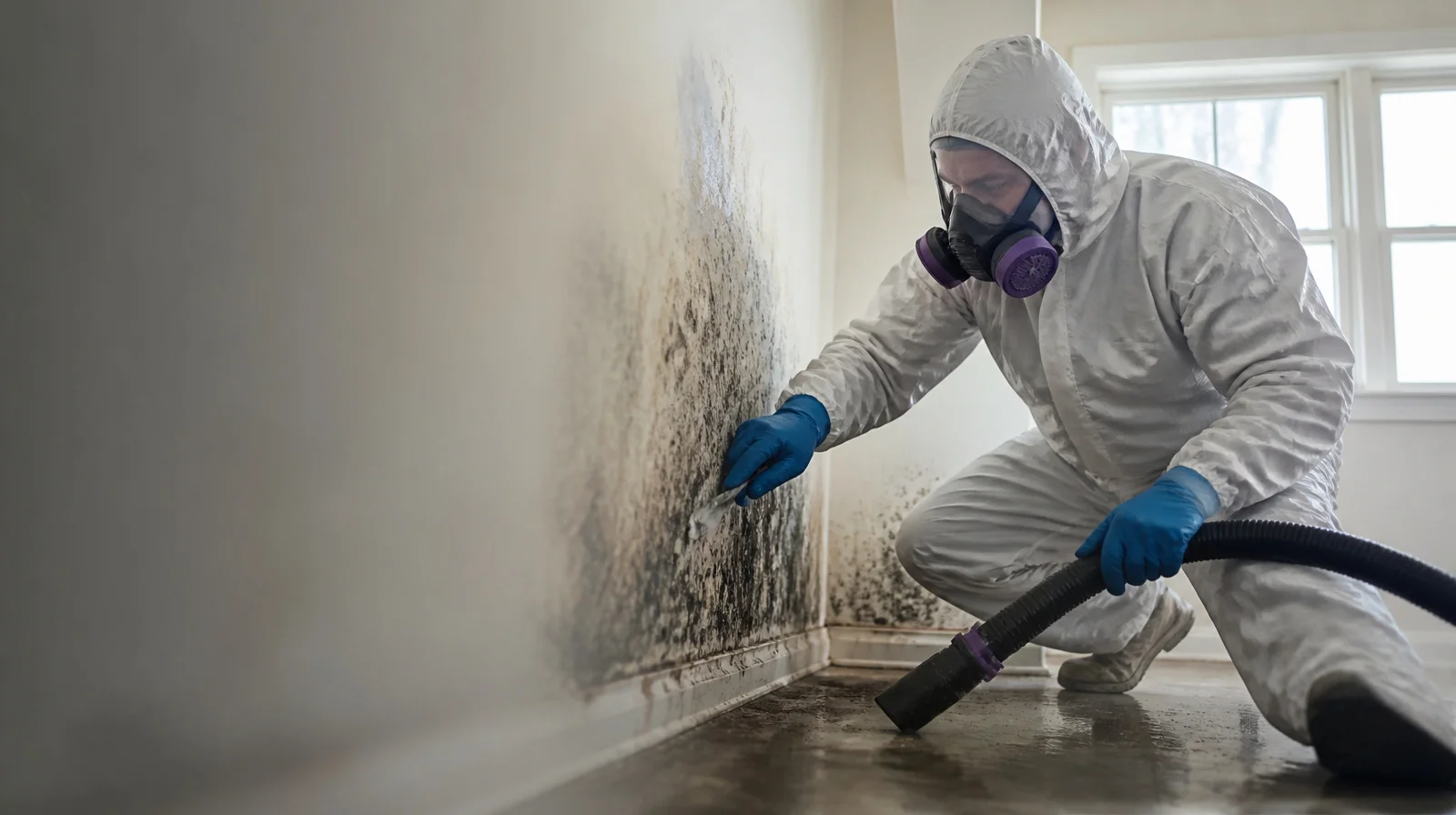
After a leak, flood, or long‑term humidity, mold can leave more than just discoloration. You might notice soft drywall, warped baseboards, musty smells, and bubbling paint that won’t hold a new coat. In severe cases, subfloors feel spongy underfoot, cabinet toe‑kicks swell, or trim crumbles at the touch. Mold damage repair focuses on removing ruined materials and rebuilding with clean, dry, mold‑resistant replacements so your home looks good and stays that way.
Speed matters because wet, damaged surfaces can hide continued moisture. If those areas aren’t fully dried, cleaned, and sealed, new finishes may fail and growth can return. The EPA recommends fixing moisture problems and removing moldy porous materials that cannot be cleaned effectively EPA guidance. Matched local pros assess what can be cleaned and saved, what must be removed, and how to restore finishes without spreading dust or spores to the rest of the home.
If you’re seeing stained studs, peeling latex paint, or buckled laminate after a water event, mold damage repair brings the space back to a sound, paint‑ready and floor‑ready condition. The goal is a dry structure, clean air, and durable surfaces that accept primer, flooring, and trim without future issues.
What mold damage repair involves
Mold damage repair starts where remediation ends. Once active growth is addressed and moisture is under control, matched local pros focus on the construction side: removing materials that can’t be restored, drying what can be saved, and rebuilding with products designed to resist future issues. The work aims for a clean substrate and a durable, finished surface you can live with confidently.
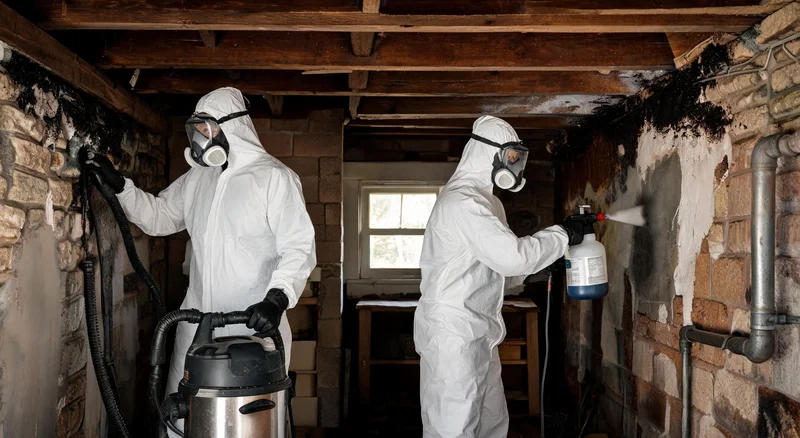
Pros begin by protecting the rest of the home. They maintain containment in the affected area and run filtration while demolition occurs. Porous, mold‑damaged items like soggy drywall, swollen MDF trim, carpet pad, or deteriorated insulation are carefully removed and bagged for disposal. Non‑porous or semi‑porous materials; think framing lumber or concrete... are cleaned and dried when sound, rather than replaced.
With damaged materials out, crews address the structure. Exposed framing is cleaned, dried to target moisture readings, and treated with appropriate coatings where needed. This step helps new finishes bond and keeps residual staining from bleeding through primers and paints. Subfloors are checked for delamination; weak sections are cut back to solid material before patching.
Rebuild follows. Technicians install new drywall or cement board as specified, tape and finish seams, and apply stain‑blocking primer to provide a uniform, sealed surface. Trim is replaced to match the home’s profile as closely as feasible. On floors, damaged sheathing or subfloor panels are repaired, and underlayment is installed so the area is ready for your chosen floor covering.
Moisture control is part of a durable repair. Crews may adjust minor ventilation details at the repair site... like adding a bath fan backdraft damper, re‑sealing around plumbing penetrations, or re‑setting a dehumidifier drain... to help prevent the same problem from returning. They confirm drying goals with meters before closing up walls or floors.
Finish quality matters. Edges align, surfaces are sanded smooth, and transitions blend with adjacent rooms to minimize the look of a patch. At turnover, the space is cleaned and vacuumed with fine filtration to capture dust. The result is a room that looks right, measures dry, and stands up to everyday use.
Drywall And Trim Replacement
Remove saturated drywall and swollen baseboards; rebuild with new board, matching trim, and stain‑blocking primer.
Subfloor And Sheathing Repair
Cut back to sound material; patch and re‑fasten so floors feel solid and are ready for finish flooring.
Insulation Swap‑Out
Pull contaminated batts in walls or rim joists; reinstall with proper vapor management after drying.
Cabinet Toe‑Kick And Panel Fixes
Replace water‑swollen toe‑kicks and side panels; re‑scribe for a tight, clean fit.
Sealing And Repainting
Prime repaired areas to lock in stains and provide a uniform surface for finish coats.
What affects the cost of mold damage repair
Scope of removal and rebuild drives most of the price. A single wall with damaged drywall and baseboard is very different from multiple rooms with subfloor patches, insulation replacement, and extensive trim work. The volume of debris, number of surfaces to re‑finish, and how far repairs must extend to reach clean, sound edges all factor in.
Material selections influence labor and time. Moisture‑resistant backer boards, mold‑resistant drywall, specialty primers, and profile‑matched trim can change timelines. Access also matters: tight crawlspaces, built‑in cabinetry, or tiled surrounds increase effort compared to open framing.
Moisture and drying conditions affect scheduling. If framing hasn’t reached target moisture levels, pros must keep drying equipment in place before closing up, adding days and equipment handling. Containment complexity and filtration during demolition and sanding are part of the safety plan and can extend setup time.
Project logistics play a role. Historic details that require careful removal and replication, permit needs when structural elements are altered, and coordination with other trades (like plumbers fixing a supply line) can add steps. For a general sense of expectations, see typical mold damage repair costs in Gettysburg.
Independent local contractors typically charge $400 - $2,500 for mold damage repair. See typical mold damage repair costs.
Why Choose Us for Mold Damage Repair?
Local repair specialists
Matched pros in Gettysburg, PA understand regional homes and materials, so repairs blend in and hold up.
Moisture‑first mindset
Crews verify drying goals before rebuilding, helping prevent repeat damage and finish failures.
Containment and cleanliness
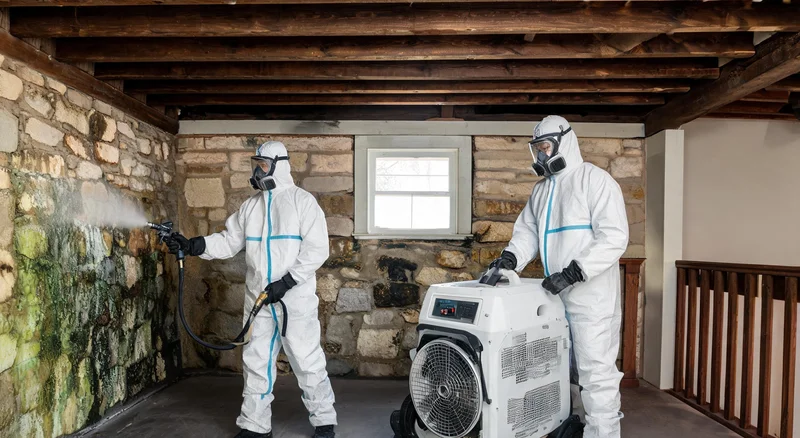
Work zones are isolated and filtered to reduce dust and spore spread while demolition and sanding take place.
Clear plans and photos
You get documented scopes and progress photos that make insurance and future maintenance easier.
Quality materials
From mold‑resistant drywall to stain‑blocking primers, materials are chosen to support lasting results.
How matched local pros handle your project
Assessment And Plan
A technician documents damaged materials, checks moisture readings, and outlines what will be removed, cleaned, and rebuilt.
Site Protection
Containment is maintained in the work area and filtration is set to help control dust while demolition and sanding occur.
Selective Demolition
Porous, unsalvageable materials are removed; salvageable framing and concrete are cleaned and dried to target levels.
Structural Drying And Prep
Crews verify dry standards with meters, treat stained but sound substrates, and prep surfaces for long‑lasting repairs.
Rebuild And Finishing
Install new drywall or sheathing, patch subfloors, replace trim, and apply primers so surfaces are ready for paint and flooring.
Moisture Control Tune‑Ups
Seal penetrations, adjust minor ventilation details at the repair area, and confirm conditions support a lasting fix.
Cleandown And Review
The area is vacuumed and wiped, work is reviewed against the plan, and photos and notes are provided for your records.
Mold Remediation Gettysburg PA Is Proud to Serve the Gettysburg, PA Area
Mold Damage Repair FAQs
What does mold damage repair include compared to mold remediation?
Mold remediation removes the growth and addresses moisture. Mold Damage Repair focuses on what’s left behind... taking out damaged drywall or trim, drying and treating sound framing, and rebuilding surfaces so they’re paint‑ and floor‑ready. Both are important; repair is the construction step that restores the room.
How do pros decide whether to clean or replace materials during mold damage repair?
Porous items like wet drywall, carpet pad, and swollen MDF are typically removed because they can’t be reliably cleaned. Semi‑porous or non‑porous items, such as framing lumber or concrete, may be cleaned and dried if structurally sound. The decision is based on material type, moisture readings, and visible deterioration.
What materials are used in mold damage repair to help prevent future issues?
Matched crews often use mold‑resistant drywall where appropriate, moisture‑smart backer boards in wet areas, and high‑quality stain‑blocking primers on stained but sound substrates. Sealants are applied around penetrations, and transitions are detailed to discourage future moisture intrusion.
Will mold damage repair create dust or odors, and how is the space kept livable?
Containment and filtration are maintained during demolition and sanding to reduce dust migration. Low‑odor primers and coatings are selected when possible, and the area is cleaned with fine filtration vacuums before it is reopened. Crews coordinate to limit disruption to adjoining rooms.
Can wood framing with mold staining be saved during mold damage repair?
If the wood is dry and structurally sound, pros clean and treat the surface so staining does not affect new finishes. Only sections with rot, deep deterioration, or persistent moisture are cut out and replaced. Moisture targets are confirmed before closing the cavity.
How should I prepare my home for mold damage repair day?
Clear access to the work area and remove valuables or breakables from nearby shelves. Pets should be kept away from the zone during work. If you need scheduling details during business hours (Mon–Fri, 9 AM–5 PM), the office line at (717) 420-9474 can confirm arrival windows.
Contact Us Today for a Free Estimate
Stop mold at the source and protect your home’s air.
Schedule your mold remediation service today.
Free — no obligations