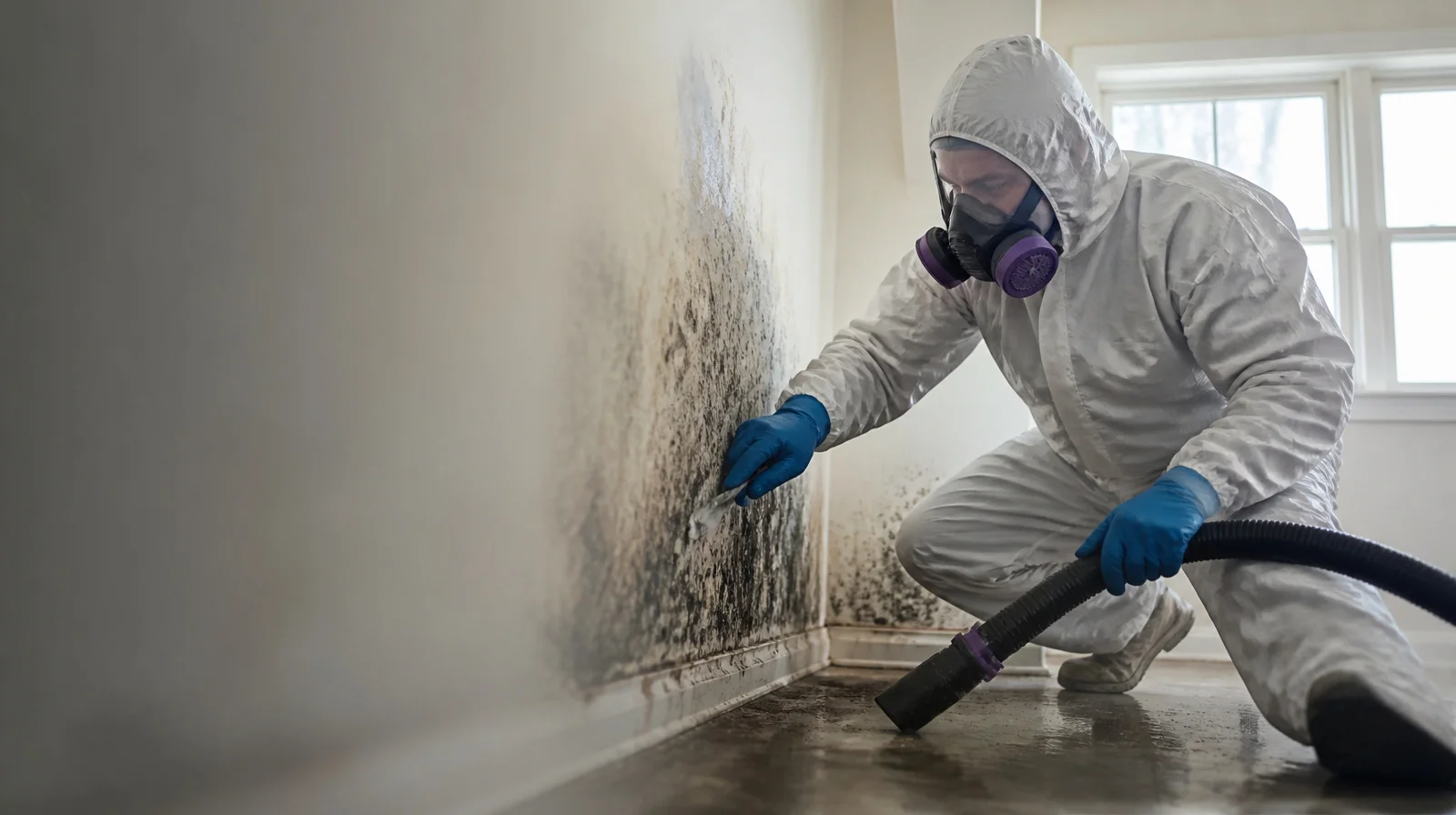
Clear, lab-backed answers for your air and surfaces
Mold Testing in Gettysburg, PA
Independent sampling and accredited analysis to confirm what’s present and how far it’s spread.
When you need mold testing
Musty odors, new stains after a leak, or lingering symptoms in certain rooms often trigger the need for mold testing. Homeowners want to know what types of spores are present and whether levels indoors are elevated compared to outdoors. When decisions about cleanup, repairs, or re‑occupancy depend on facts, professional mold testing provides clear data you can use.
Matched local pros design a sampling plan for your home and situation. This can include air samples to assess what’s moving through the space, and surface samples to identify visible growth. Testing is also useful after moisture issues are corrected to verify that conditions have returned to normal. Lab reports list detected genera and relative concentrations so you can understand scope and urgency without guesswork.
Mold testing doesn’t replace fixing moisture problems, but it helps confirm what’s happening and where attention is needed. The approach follows common-sense guidance on when sampling is helpful and how results should be interpreted alongside a visual assessment, as outlined by the EPA on mold sampling. If you’re unsure whether a smell or small spot is meaningful, unbiased testing and a clear report can bring peace of mind and a smart path forward.
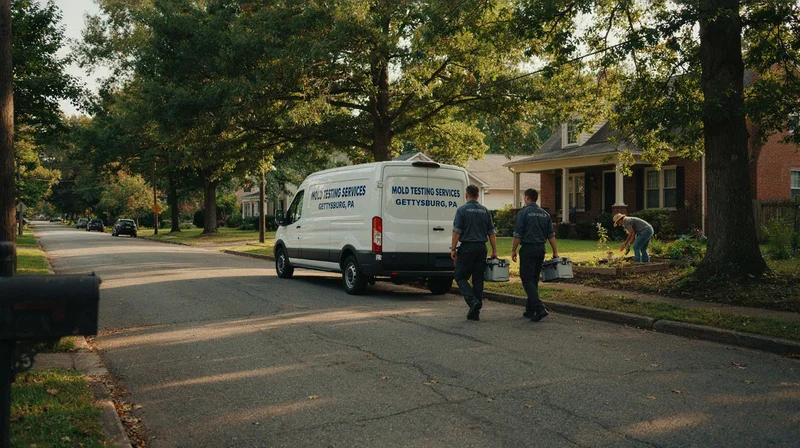
What professional mold testing involves
Matched pros start by learning what you’re noticing; smells after rain, recent plumbing leaks, or rooms that trigger symptoms. They walk the areas you’re concerned about, note ventilation and recent water events, and decide which rooms should be sampled to answer your questions clearly.
Air sampling is commonly used to understand what’s moving through your living areas. Technicians place calibrated pumps with spore trap cassettes in selected rooms and typically collect an outdoor baseline sample for comparison. Time and airflow are controlled so the lab can measure and report concentrations accurately.
Surface sampling targets visible spots or suspect dust. Tape lifts capture material from finished surfaces without damage, while sterile swabs reach into grout lines, trim edges, or HVAC registers. Bulk samples - small pieces of suspect material; may be taken if removal is already planned and a fragment is safe to collect.
Chain-of-custody procedures document each sample from your home to the lab. Matched pros use accredited laboratories (such as AIHA-LAP, LLC participants) for microscopy and other analyses. Reports identify the molds present by genus and describe relative levels... useful context when comparing rooms or evaluating post-cleanup conditions.
Good testing also pays attention to conditions during sampling. Windows are kept in their typical state, HVAC settings are noted, and recent cleaning or construction is documented so the results reflect real-life conditions. If a dishwasher leak was repaired last week, for example, sampling may focus on the kitchen and adjacent rooms to check whether spores migrated.
Results are paired with clear, plain-language explanations. You’ll see which rooms were tested, the sample types collected, and how the indoor environment compared to the outdoor reference during the same visit. This makes it easier to decide whether further cleanup or building repairs are warranted and to verify when conditions have normalized after work is done.
Indoor Air Sampling
Spore trap cassettes collect airborne particles over a set time to gauge what occupants may be breathing.
Outdoor Reference Sample
A same-day outdoor sample provides context for interpreting indoor results.
Surface Tape Lift
Low-impact sampling of visible spots on finished surfaces to confirm growth type.
Swab Sampling
Targeted collection from seams, vents, or grout lines when growth is suspected but not obvious.
Bulk Material Sample
Small piece of suspect material analyzed when removal is planned and safe to collect.
Post-Work Verification
Targeted re-testing to document that levels have returned to normal after fixes or cleanup.
What affects the cost of mold testing
Pricing for mold testing depends on the number and types of samples needed to answer your questions confidently. A small home with one concern area may only require a few samples, while multiple rooms, levels, or HVAC zones typically call for a broader plan.
Sample methods influence cost. Air samples, surface tape lifts, swabs, and bulk materials each have different lab procedures, and some situations benefit from both air and surface testing. Adding outdoor reference samples and post-work verification samples will change the total as well.
Property layout and accessibility matter. Multi-story homes, tight crawlspaces, or areas that require special ladders or protective measures take more time to sample correctly. If coordination with other trades is required - for example during an ongoing repair... that can extend the visit as well.
Turnaround and reporting depth can also affect the price. Standard lab reporting fits most needs, while rush analysis or expanded narrative summaries require more lab and pro time. Retesting after building fixes is typically scoped as a separate visit so results reflect changes accurately.
Typical mold testing cost from independent local contractors: $80 - $500. See average mold testing pricing.
Why Choose Us for Mold Testing?
Local pros, matched fast
Mold Remediation Gettysburg PA connects you with nearby specialists who know Gettysburg, PA homes and building styles.
Accredited lab partners
Samples are analyzed by established laboratories with rigorous quality standards for reliable results.
Right-sized sampling plans
Testing focuses on the rooms and surfaces that matter most so you get clear answers without wasted steps.
Plain-language reports
Clear summaries turn lab data into understandable guidance you can act on with confidence.
Weekday scheduling
Visits are set during normal business hours to align with typical household routines.
How the mold testing process works
Brief Consult And Scheduling
Share your concerns and recent water events so a right-sized sampling plan is set for your home and timeline.
On-Site Walkthrough
A focused tour identifies priority rooms, typical HVAC settings, and where air and surface samples will be most informative.
Controlled Sample Collection
Pros collect indoor and outdoor reference samples using calibrated equipment and standardized methods.
Accredited Lab Analysis
Samples move under chain-of-custody to an accredited lab for microscopy and related analysis.
Results And Guidance
You receive a plain-language summary with lab findings and practical next steps tailored to the conditions observed.
Optional Post-Work Re-Testing
After fixes or cleanup, targeted re-testing documents that conditions have returned to expected levels.
Mold Remediation Gettysburg PA Is Proud to Serve the Gettysburg, PA Area
Mold Testing FAQs
When is mold testing the right choice?
Mold testing is helpful when you need to confirm what types of spores are present, compare rooms to an outdoor reference, or document post-fix conditions. It’s commonly used after leaks, before sensitive occupants return, or when deciding whether targeted cleanup is needed.
What types of samples are collected during mold testing?
Matched pros may take air samples using spore traps, surface samples with tape lifts or swabs, and occasionally bulk material if a fragment is already being removed. The mix depends on your concerns and where signs of growth or odors are found.
How long do mold testing results take to come back?
Standard turnaround from accredited labs is typically a few business days once samples are submitted. Rush analysis is sometimes available when timing is critical, and pros will note this option during planning if it fits your situation.
Will opening windows or recent cleaning affect mold testing?
Yes, conditions during sampling can influence results. Pros document HVAC settings, open windows, and recent cleaning so the lab’s findings are interpreted in context and reflect typical living conditions as closely as possible.
Can mold testing find hidden growth behind walls?
Air and surface results can suggest hidden issues when certain spore types or levels are found where they shouldn’t be. Pros may recommend targeted surface sampling at seams or follow-up investigation if results point to concealed moisture or materials.
How should I prepare my home for mold testing?
Keep rooms in their normal lived-in state and avoid heavy cleaning right before the visit. Note any recent leaks, appliance failures, or musty areas so the sampling plan can focus on the spaces most likely to yield useful information.
Contact Us Today for a Free Estimate
Stop mold at the source and protect your home’s air.
Schedule your mold remediation service today.
Free — no obligations